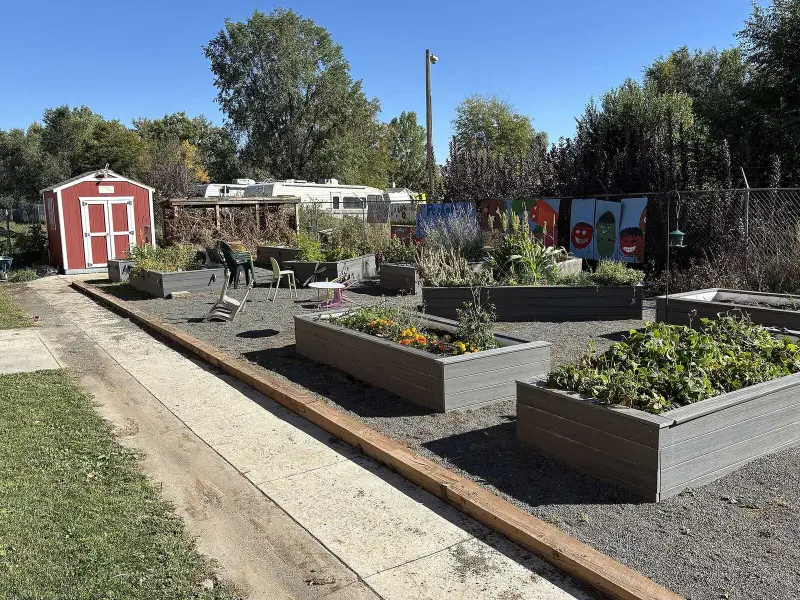
A raised bed solves the two problems that stop most first-time vegetable gardens: bad native soil and weeds. You build a frame, fill it with a loose, rich mix, and plant into something that drains well and warms up early in spring. One 4-by-8-foot bed, planted carefully, can keep a household in salad greens, herbs, and tomatoes for much of the season.
Fall is a smart time to build. Lumber is easy to find, the bed has months to settle, and in much of the South it is the start of the best growing season of the year.
Pick the Spot First
Vegetables that produce fruit (tomatoes, peppers, squash, cucumbers) need at least 6 to 8 hours of direct sun a day. Leafy greens and herbs can get by with about 4 to 6. Watch your yard for a full day before deciding; shadows from trees and the house move a lot between seasons.
Also look for:
- Level ground, or ground you can level with a shovel
- A hose spigot within easy reach, since you will water often
- Distance from large trees, whose roots will find rich bed soil quickly
- A spot you walk past daily, so you notice pests and ripe produce
How Big Should It Be?
Width: 4 feet is the standard for a bed you can reach from both sides. Most adults can reach about 2 feet in without stepping into the bed. If one side is against a fence or wall, make it no more than about 3 feet wide.
Length: Anything works. Eight feet is popular because lumber is sold in 8-foot lengths, which means fewer cuts.
Height: 10 to 12 inches is enough for most vegetables if the soil underneath is decent. Go 18 to 24 inches if your native soil is heavy clay, rocky, or contaminated, or if you want to garden without bending as far. Taller beds need more soil and stronger corner bracing.
Leave paths of at least 18 inches between beds, or about 24 to 36 inches if you need room for a wheelbarrow.
Choosing Lumber and Materials
- Cedar or redwood: Naturally rot resistant. Untreated cedar commonly lasts around 10 years or more. It costs more, but it is the most popular choice for good reason.
- Untreated pine or fir: The budget pick. Expect about 3 to 5 years before the boards soften, sooner in wet climates.
- Modern pressure-treated lumber: Since the early 2000s, residential treated lumber has used copper-based preservatives instead of the older arsenic-based CCA. Many university extension services consider it acceptable for food gardens. If you prefer extra caution, line the inside walls with heavy plastic sheeting, leaving the bottom open for drainage.
- Galvanized steel kits: Long-lasting and widely available; corrugated metal beds warm up faster in spring.
- Avoid: Old railroad ties and any wood treated with creosote, and reclaimed wood of unknown origin.
What You'll Need (for one 4-by-8-foot, 11-inch-tall bed)
- Three 8-foot 2×12 boards (cut one in half for the 4-foot ends); actual width is about 11-1/4 inches
- One 4×4 post, cut into four corner blocks about 11 inches long
- 3-inch exterior-grade deck screws, about 24 to 30
- Drill/driver, tape measure, carpenter's square, and level
- Cardboard (plain, with tape and labels removed)
- Optional: galvanized hardware cloth (1/2-inch mesh) if gophers or moles are a problem
- Roughly 32 cubic feet (about 1.2 cubic yards) of soil mix
- Work gloves and safety glasses
Building the Bed
- Cut the boards. Cut one 8-foot board in half to make two 4-foot end pieces.
- Attach ends to corner posts. Stand a 4×4 block in each corner and screw the end boards into it with three screws per joint.
- Add the long sides. Screw the 8-foot boards into the same corner blocks. Check that the frame is square by measuring diagonally corner to corner; the two measurements should match.
- Level it in place. Set the frame where it will live and dig down under the high side until it sits level. A level bed waters evenly.
- Line the bottom. Staple hardware cloth across the bottom if burrowing animals are an issue. Then lay overlapping cardboard over the grass inside the frame to smother it. It breaks down within a season.
The Soil Mix
Do not fill a raised bed with bagged potting mix alone; it is too light and expensive at this volume. And do not just shovel in yard dirt, which compacts. A widely used blend is:
- About 60% screened topsoil
- About 30% compost
- About 10% aeration material such as perlite, pine bark fines, or coarse sand
For a 4-by-8-foot bed that is 1 foot deep, that works out to roughly 19 cubic feet of topsoil, 10 cubic feet of compost, and 3 cubic feet of aeration material. Buying a bulk "garden blend" from a local landscape supplier is often cheaper than bagged soil once you need a full cubic yard or more; prices commonly run about $40 to $80 per cubic yard plus delivery.
Fill the bed to the top. It will settle 1 to 2 inches over the first few weeks, and you can top it off with compost.
What to Plant First, by Region
The timing below assumes a bed built in fall or early spring. Your local average frost dates matter more than anything else, so look them up by ZIP code through your state's cooperative extension service.
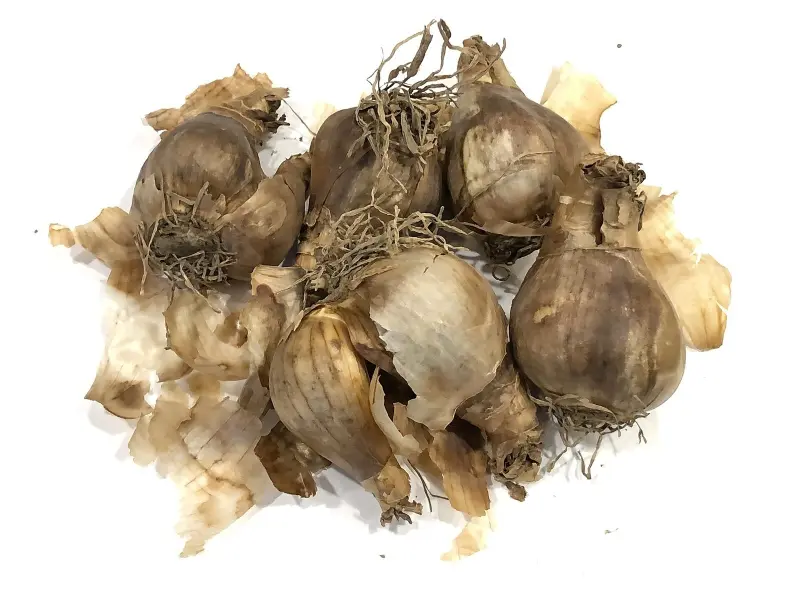
- Northeast, Midwest, and northern Mountain West (roughly zones 3 to 6): Fall is for prep, garlic, and maybe a cold frame of spinach. In spring, start with cool-season crops about 2 to 4 weeks before your last frost: peas, spinach, lettuce, radishes, and onion sets. Hold tomatoes and peppers until nights stay above 50°F.
- Mid-Atlantic and Pacific Northwest (roughly zones 6 to 8): Plant garlic in October and a fall crop of kale and lettuce. In early spring, peas and greens; warm-season crops in May.
- Southeast and Gulf Coast (roughly zones 8 to 10): Fall and winter are prime growing seasons. Plant collards, kale, lettuce, broccoli, carrots, and cabbage from September through November. Plant tomatoes as early as possible in spring, before summer heat stops fruit set.
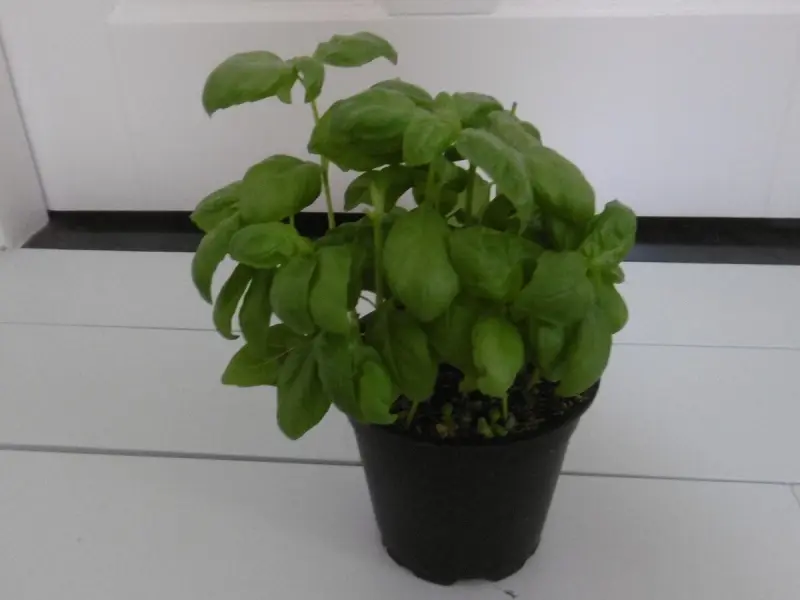
- Desert Southwest (Arizona, southern Nevada, parts of California and Texas): Plant greens, root crops, and herbs from about October through February. Plant warm-season crops in late winter so they mature before the hottest months. Shade cloth helps in summer.
- California coast: Mild temperatures allow nearly year-round planting. Cool-season crops in fall and winter, warm-season crops in spring.
Watering and Care
Raised beds drain faster than in-ground gardens and dry out quicker. Aim for about 1 inch of water per week from rain and irrigation combined, more in hot or windy weather. Water deeply at the base of plants in the morning. A soaker hose or simple drip kit laid across the bed saves time and keeps leaves dry, which reduces disease.
Mulch the surface with 2 to 3 inches of straw or shredded leaves once plants are up, and add an inch or two of compost each season to replenish what the plants use.
Common Mistakes
- Building beds wider than you can reach, then stepping in and compacting the soil
- Placing the bed in partial shade and planting tomatoes anyway
- Filling with straight compost, which can be too rich and drain too fast
- Planting everything on one weekend in spring, so it all ripens at once
Getting Started
One well-sited 4-by-8-foot bed with a good soil mix is the right first step. Build it this fall, let it settle, and plant the crops that suit your region's next window. When that bed works, adding a second one, perhaps for herbs or a trellis of pole beans, takes an afternoon.