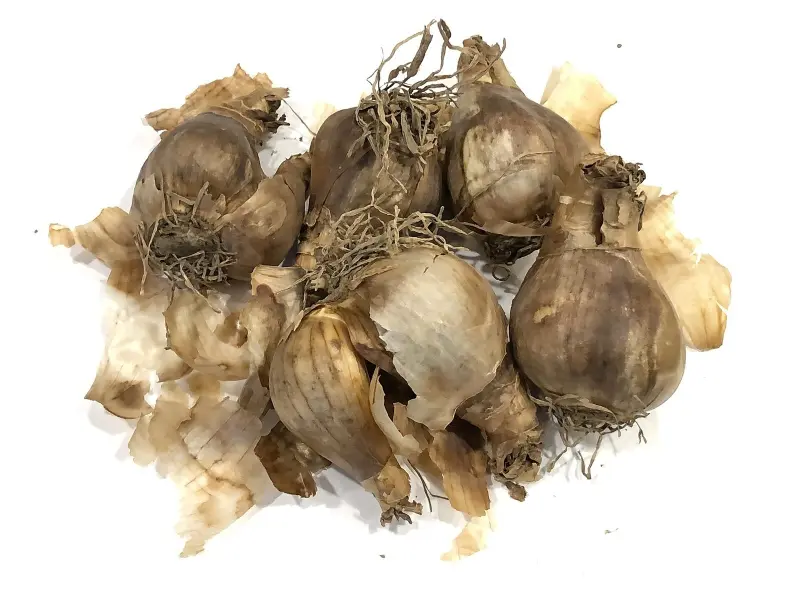
Spring bulbs ask for an hour of work on a cool fall afternoon and pay you back months later, just when the yard looks its dullest. Tulips and daffodils need a stretch of winter cold to bloom, which is why they go into the ground in autumn rather than spring. Get the timing, depth, and spacing right and the rest mostly takes care of itself.
Timing: Watch the Soil, Not the Calendar
The best signal is soil temperature. Plant when the soil 6 inches down has cooled to about 55°F or below, which usually happens after a few weeks of nighttime temperatures in the 40s. Aim to finish at least four to six weeks before the ground freezes hard, so roots can grow before winter.
Plant too early in warm soil and bulbs may sprout leaves in fall or rot. Plant too late and they will not root well, although bulbs planted late almost always do better than bulbs left in the bag all winter.
Rough planting windows by USDA hardiness zone:
- Zones 3 to 4 (northern Plains, upper Midwest, northern New England): Mid-September to early October
- Zone 5 (much of the Midwest, Great Lakes, interior Northeast): Late September through October
- Zone 6 (Mid-Atlantic interior, Ohio Valley, parts of the Mountain West): October to early November
- Zone 7 (Virginia, Tennessee, Oklahoma, much of North Carolina): Late October through November
- Zone 8 (Pacific Northwest lowlands, much of Georgia and South Carolina, Texas Hill Country): November into December
- Zones 9 to 10 (Florida, southern Texas, Southern California, desert Southwest): Late December or January, for tulips only after pre-chilling
You can look up your zone by ZIP code on the USDA Plant Hardiness Zone Map.
The Warm-Climate Problem, and the Fix
Tulips need roughly 12 to 16 weeks of cold, around 35 to 45°F, to form flowers. In zones 8 and warmer, winters may not provide it. Gardeners there have two options:
- Pre-chill tulips. Store bulbs in a paper bag in the refrigerator for 10 to 14 weeks before planting. Keep them away from fruit, especially apples, which release ethylene gas that can damage the flower inside the bulb. Treat pre-chilled tulips as annuals.
- Choose warm-tolerant daffodils. Tazetta and jonquilla types, such as the paperwhite family and many fragrant multi-flowered varieties, bloom reliably with little winter chill and often return for years in the South.
What You'll Need
- Bulbs (buy firm, heavy bulbs with no soft spots, mold, or shriveling)
- A trowel or bulb planter for small numbers, or a garden spade for groups
- A ruler or a trowel marked in inches
- Compost
- A balanced, slow-release bulb fertilizer (optional)
- Chicken wire or hardware cloth if squirrels are a problem
- Shredded leaves or bark mulch
- Garden gloves
How Deep and How Far Apart
The general rule: plant a bulb two to three times as deep as the bulb is tall, measured from the bottom of the bulb to the soil surface.
- Tulips: About 6 to 8 inches deep, spaced 4 to 6 inches apart
- Daffodils: About 6 inches deep (up to 8 inches for very large bulbs), spaced about 6 inches apart
- Small bulbs (crocus, grape hyacinth, snowdrops): About 3 to 4 inches deep, spaced 2 to 3 inches apart
In sandy soil, go slightly deeper. In heavy clay, go slightly shallower and work in compost to improve drainage.
Planting, Step by Step
- Pick a site with good drainage. Bulbs rot in soggy ground. Avoid low spots where puddles form. Full sun to part sun works for both tulips and daffodils; under deciduous trees is fine, since the bulbs bloom before trees leaf out.
- Plan for drifts, not lines. A single row of tulips along a walk looks sparse. Groups of 10 to 25 bulbs of one variety planted together look far more natural and make a stronger show from a distance. Layer early, mid, and late varieties to stretch the season.
- Dig a wide hole, not a series of small ones. For a group, dig out an area to the full planting depth with a spade. It is faster than digging 20 individual holes and gives you even depth.
- Loosen and amend. Loosen the soil at the bottom and mix in a couple of inches of compost. If you use fertilizer, mix a slow-release bulb fertilizer into the bottom of the hole according to label rates. Skip bone meal if you have dogs or raccoons around; its smell attracts digging.
- Set bulbs pointed end up. The pointed tip is where the shoot emerges, and the flat, sometimes hairy side is where roots grow. If you cannot tell, plant the bulb on its side; it will right itself.
- Backfill and firm gently. Cover with soil and press lightly with your hands to remove air pockets.
- Water well. A thorough soaking settles the soil and kicks off root growth. Water again weekly if fall is dry, until the ground freezes.
- Mulch after the ground cools. Once the soil is cold, spread 2 to 3 inches of shredded leaves or bark. Mulch keeps soil temperature steady and prevents freeze-thaw cycles from heaving bulbs up.
- Mark the spot. Use plant labels or take a phone photo so you do not dig into the bulbs while planting something else next spring.
Keeping Squirrels and Critters Out
Squirrels, voles, and chipmunks love tulip bulbs. Deer will graze the flowers in spring. Daffodils, on the other hand, are toxic to rodents and deer, so they are rarely bothered.
To protect tulips:
- Lay chicken wire or hardware cloth flat over the planted area, just under the mulch. Shoots grow through the openings in spring.
- Clean up papery bulb skins and debris after planting; the scent attracts diggers.
- Mix daffodils in with tulips as a partial deterrent.
Safety Note
Wear gloves when handling bulbs. Daffodil sap and tulip bulbs can both cause skin irritation in some people. Daffodils, tulips, and many other spring bulbs are toxic if eaten, so keep bags of bulbs away from dogs, cats, and small children, and if you pre-chill bulbs in the refrigerator, label the bag clearly so nobody mistakes them for onions.
After the Flowers Fade
In spring, snip off spent flowers so the plant puts energy into the bulb rather than seeds. Then leave the leaves alone until they yellow and flop, usually about six weeks. They are feeding next year's flower. Cutting, braiding, or mowing them early is a common reason daffodils stop blooming.
Many modern hybrid tulips bloom well for only one to three years. For tulips that come back more reliably, try Darwin hybrid or species tulips. Most daffodils, by contrast, multiply over time and can be divided every few years.
Common Mistakes
- Planting too shallow, which leads to floppy stems and frost damage
- Planting in soggy soil
- Waiting until the ground is nearly frozen
- Spacing bulbs evenly in long single rows
- Cutting back foliage before it yellows
Bottom Line
Plant when the soil cools to about 55°F, set tulips and daffodils roughly 6 to 8 inches deep in generous groups, water them in, and mulch once the cold arrives. Then forget about them until the first green tips push through in late winter. If this goes well, next fall you can add early crocus and late alliums to stretch the bloom from February into June.