Hosting family or friends over the holidays is easier when the work is spread out instead of crammed into the night before they arrive. Guests rarely notice whether the baseboards were scrubbed. They do notice a comfortable bed, a place to put their suitcase, a towel they know is theirs, and a host who is not frazzled. This timeline gets you there in manageable pieces, starting about three weeks out.
Three Weeks Out: Plan and Check the Basics
Confirm the details. Ask for arrival and departure dates and times, how many people are coming, any food allergies or dietary needs, whether anyone has mobility issues with stairs, and whether pets or babies are coming along. That information shapes everything else.
Decide where everyone sleeps. Walk through the house and assign a sleeping spot to each guest. If you are short on beds, consider:
- A quality air mattress with a built-in pump, ideally one that sits 18 inches or more off the floor, which is easier to get in and out of. Inflate it now and leave it overnight to check for slow leaks.
- A sleeper sofa. Open it up, check the mechanism, and test the mattress. Adding a 2- to 3-inch foam topper makes a thin sofa mattress far more comfortable.
- A folding cot or a kids' sleeping bag setup in a family room for younger visitors.
Run a safety check. Press the test button on every smoke alarm and carbon monoxide detector, and replace batteries in any that chirp or fail. Make sure there is a working CO alarm on every sleeping level if you have gas appliances, a fireplace, or an attached garage. Plug in night lights in the hallway and bathroom guests will use, and clear tripping hazards from the path between the guest bed and the bathroom.
Book anything that needs a pro. If your furnace has not been serviced this year, the chimney needs sweeping, or a toilet runs constantly, schedule repairs now. Technicians fill up fast in December.
Two Weeks Out: Clear the Guest Space
A guest room that doubles as an office, gym, or storage area needs the most attention.
- Clear off the bed, dresser top, and at least half of the closet. Guests need somewhere to hang clothes and set down a suitcase without moving your things.
- Empty one or two dresser drawers if visitors are staying more than a couple of nights.
- Move personal paperwork, valuables, and prescription medications out of the room and out of bathroom cabinets guests will use. This matters especially if children are visiting.
- Take stock of bedding. Each guest bed should have a mattress protector, two sets of sheets, a warm blanket plus an extra one at the foot of the bed, and two pillows per person. Holiday guests often run colder in an unfamiliar house.
- Wash all bedding and any throws that have been sitting in a closet. Stored linens can smell musty.
One Week Out: Deep Clean in Stages
Tackle one zone each evening rather than the whole house in one weekend. A reasonable order:
- Guest bathroom. Scrub the tub or shower, toilet, sink, and floor. Replace a mildewy shower curtain liner (about $10) and wash or replace the bath mat. Clear counter space for a guest's toiletry bag.
- Guest room. Dust surfaces including the ceiling fan blades and lamp shades, vacuum under the bed, wipe light switches and door handles, and open the windows for a few hours to air the room out if the weather allows.
- Kitchen. Clean out the refrigerator to make room for holiday food, wipe the shelves, and toss expired condiments. Run a cleaning cycle on the coffee maker.
- Entry and living room. Clear the entryway to make room for extra coats and boots, add a boot tray or old towel by the door for wet shoes, and vacuum upholstered furniture.
- Final floors. Save vacuuming and mopping of main traffic areas for last.
Stock up on staples at the same time: toilet paper, paper towels, trash bags, coffee, tea, and easy breakfast items. Buying them a week early avoids the crowded last-minute grocery run.
Two Days Out: Set Up the Room
This is when the guest room starts to feel welcoming. A good test is to sleep in the guest bed yourself for one night. You will discover the lamp that is too far from the bed, the window that lets in streetlight at dawn, and the radiator that clanks.
Guest Room Essentials
- Freshly made bed with an extra blanket and pillows
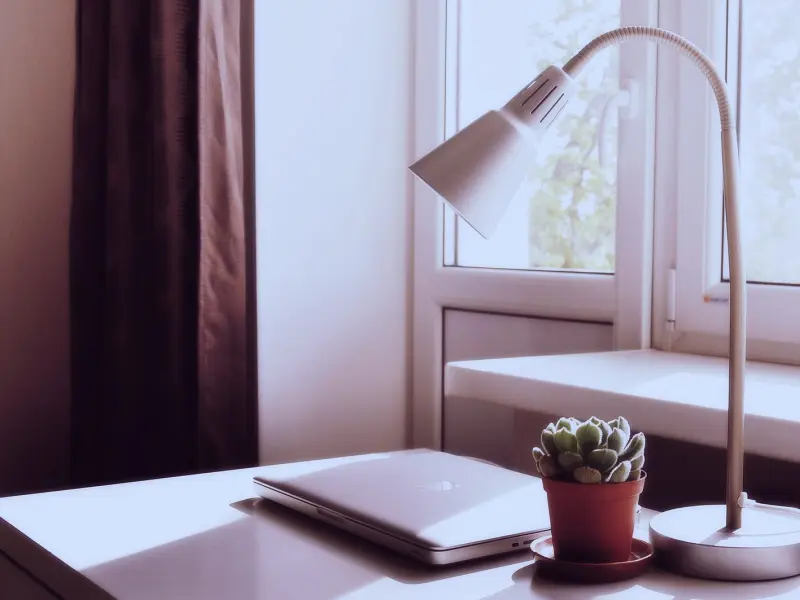
- A bedside lamp the guest can reach without getting up
- An outlet or power strip near the bed for phone charging, plus a spare charging cable
- A few empty hangers, ideally 8 to 10 per guest
- A luggage rack, a cleared bench, or a sturdy chair for the suitcase
- A small wastebasket
- A clock, since not everyone wants to check a phone in the middle of the night
- Room-darkening curtains or a simple eye mask if the room gets early light
Small Touches Guests Remember
- A stack of towels for each person, in a color different from yours, so there is no confusion
- A small basket with travel-size toothpaste, a toothbrush, shampoo, a razor, and pain reliever, for things guests forget
- A carafe or bottle of water and a glass on the nightstand
- A card with the Wi-Fi network name and password
- A few magazines or books, and a short note with house quirks: which shower knob is hot, when the heat kicks on, the code for the garage door
None of these is expensive. Together they cost roughly $30 to $60 and make visitors feel expected rather than squeezed in.
The Day Before and Day Of
- Do a final 20-minute tidy of the main living areas and bathroom.
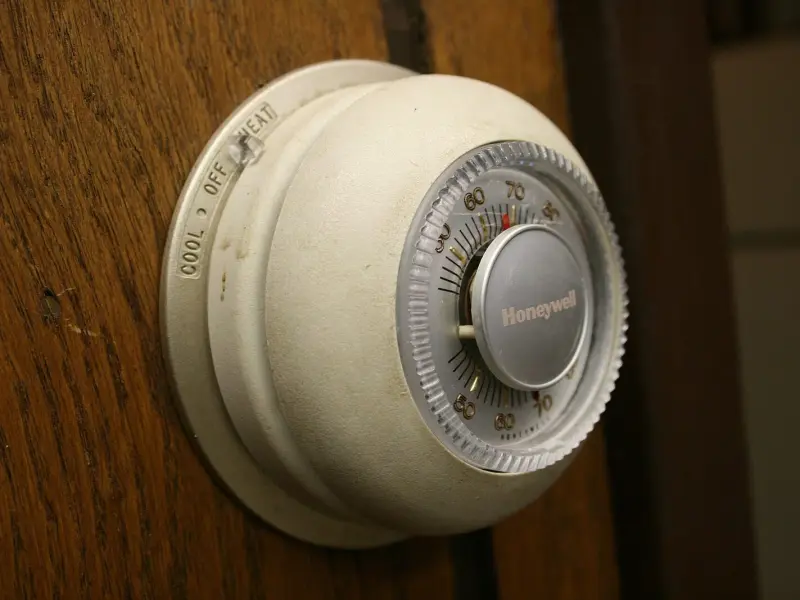
- Set the thermostat to a comfortable temperature. Many guests prefer a bedroom between 65°F and 68°F at night; make sure they know how to adjust a portable heater or fan if you leave one.
- Turn on the porch light and clear the driveway or walk of leaves, snow, or ice. Have a bag of ice melt ready in cold climates.
- Plan an easy first-night dinner, such as a pot of soup, chili, or a casserole made ahead. Travelers arrive tired and hungry at unpredictable times.
- Make space in the refrigerator and on the counter for any food guests bring.
Common Hosting Mistakes
- Not testing the sleeping setup. An air mattress that leaks at 2 a.m. is the most common guest complaint.
- Overpacking the schedule. Leave unstructured time each day. Guests and hosts both need downtime.
- Forgetting about pets. If your guests are allergic, start vacuuming with a HEPA-filter vacuum and washing pet beds a week ahead, and keep pets out of the guest room entirely.
- Hiding everything. Show guests where the coffee, extra towels, and snacks are on the first evening so they can help themselves without asking.
The best-prepared home is not the most decorated one. It is the house where guests can find what they need, sleep well, and feel welcome to relax, and where the host still has the energy to enjoy their company.