Clearing out a child's room while they are at school is fast. It is also the reason so many kids' rooms look exactly the same a month later. Children who never practice deciding what to keep never learn how, and they tend to hold on tighter once they notice things vanishing.
Doing it together takes longer the first time. But it teaches a skill, builds trust, and produces a room your child can actually keep tidy, because they helped design it.
Set Expectations by Age
What you can expect depends a lot on age. These are rough guides, not rules:
- Ages 3 to 5: Can sort into two or three clearly pictured bins and choose favorites from a small group. Keep sessions to about 10 to 15 minutes.
- Ages 6 to 9: Can handle categories (art supplies, building toys, stuffed animals) and make keep-or-donate decisions with some guidance. Sessions of 20 to 30 minutes work.
- Ages 10 and up: Can lead much of the process themselves. Your job shifts to helping them set limits and haul bags.
What You'll Need
- Three large boxes or laundry baskets
- Paper and a marker, or printed pictures, for labels
- A trash bag and a recycling bag
- A timer (a kitchen timer is more fun than a phone)
- A "memory box" for each child, about the size of a shoebox or a small storage tote
- Storage bins and shelves at your child's height (more on this below)
The Sorting Method: Keep, Give, Toss
Label three boxes with both words and simple drawings, so even pre-readers know what goes where:
- Keep (a heart or a smiley face)
- Give (a gift box or a house, meaning it goes to another kid)
- Toss (a trash can)
For kids who struggle with letting go, add a fourth box: Not Sure. Seal it, write the date on top, and store it out of sight in a closet or garage. If nobody asks for anything from it in 30 to 60 days, it goes to donation, and your child gets to decide whether they want to look inside first. Most kids do not.
How a Session Works
1. Pick One Category, Not the Whole Room
"Clean your room" is overwhelming even for adults. Start with something easy and low stakes. Dried-out markers and broken crayons are perfect: there is little emotional attachment, the toss pile grows quickly, and kids get a sense of progress.
A good order for most kids:
- Art supplies
- Books
- Clothes that are too small
- Building toys and games
- Dolls, action figures, and small toys
- Stuffed animals (often the hardest, so save them for later)
- Papers, school work, and keepsakes
2. Set the Timer and Pull It All Out
Gather every item in the chosen category into one pile on the floor. Seeing 40 stuffed animals in one heap is often the moment a child realizes they have more than they play with.
3. Ask Better Questions
"Do you want to keep this?" almost always gets a yes. Try questions that lead to real decisions:
- "Which of these do you play with the most?"
- "If you could keep only five of these, which five?"
- "Is there a kid who would have more fun with this than you?"
- "Does this still work?" (For puzzles and games, check for missing pieces.)
Pairs help younger kids. Hold up two similar items and ask which one they like better. The other one is often an easy give.
4. Let the Container Set the Limit
This is the single most useful idea for kids. Instead of arguing about whether a child has too many stuffed animals, choose the container together: one basket, one shelf, one bin. Whatever fits stays. When it is full, something has to leave before something new comes in. The container becomes the rule-maker, not you.
5. Stop While It's Still Fun
When the timer goes off, stop, even if the category is not finished. Haul the give box straight to the car so it does not drift back in, and take the trash out. Kids who end on a good note are much more willing to do a second session.
Storage They Can Actually Reach
A room stays tidy only if putting things away is easy. Get down to your child's eye level and look around. If they need a step stool to reach the bin, they will not use it.
- Low open shelves or cube organizers. Standard 13-inch cube storage units with fabric bins work well. A two-row or three-row unit keeps everything within reach.
- Picture labels on every bin. Take a photo of the contents (blocks, cars, dolls), print it, and tape it to the front. Pre-readers can match pictures easily.
- Shallow bins over deep toy boxes. In a deep box, everything sinks to the bottom and gets dumped out to find one toy. Shallow bins let kids see what is inside.
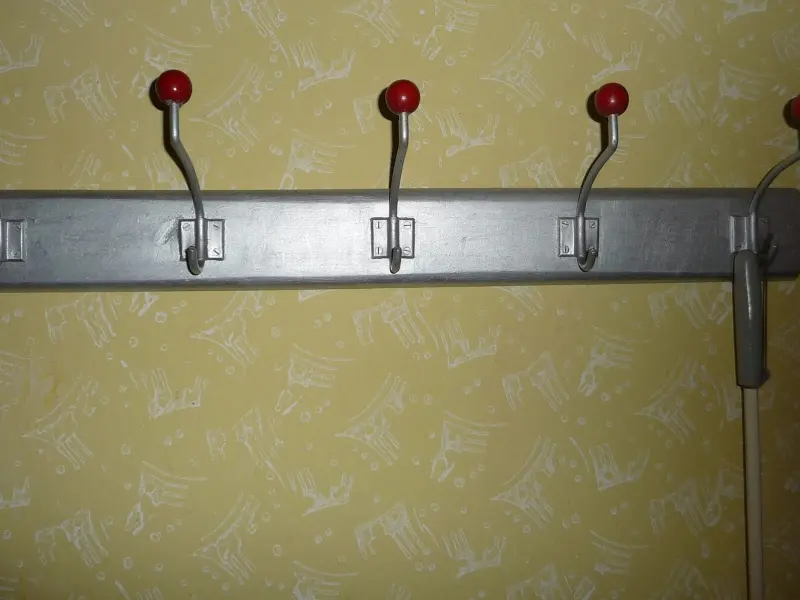
- Hooks at child height. About 36 to 42 inches off the floor for backpacks, jackets, and dress-up clothes.
- Book bins or forward-facing shelves. Kids pick books by their covers. Facing the covers out makes reading more inviting and returning books easier.
- One drawer for "treasures." Rocks, shells, and tiny figures need a home too. Give them a small divided container in a drawer.
Safety Notes
- Anchor dressers and bookcases to the wall. Furniture tip-overs injure thousands of children in the US every year. Most new furniture comes with an anti-tip kit; use it, fastening into a stud.
- Avoid toy chests with heavy, free-falling lids. Choose open bins or chests with a lid support that holds the lid open at any position.
- Keep small parts away from younger siblings. If a toddler shares the room, store building sets with small pieces on higher shelves or in latched containers.
Handling Sentimental Items
Every child has things that do not get played with but still matter: a first-birthday stuffed bunny, a favorite drawing, a ribbon from field day. Give each child a memory box. Anything special can go in, but when it is full, they choose what stays. Artwork can be photographed and the originals rotated out, keeping only a few true favorites.
Keeping It Going
- One in, one out. When a new toy arrives, an old one leaves. This is especially useful right after birthdays and holidays.
- Rotate toys. Store about half the toys in a closet bin and swap them every two to four weeks. Kids play more with fewer choices, and rotated toys feel new again.
- Do a 10-minute nightly reset. Put on a song or two and race to put everything back in its bin before it ends.
- Repeat a light sort a few times a year, especially before birthdays and the winter holidays.
Common Mistakes
- Trying to do the whole room in one afternoon
- Overruling a child's choice on something that matters to them
- Buying storage before you know how much stuff is staying
- Using adult-height closets and shelves for toys
The Bottom Line
Decluttering with your kids is slower than doing it alone, but it teaches them to make decisions and gives them a room they can manage on their own. Keep sessions short, let containers set the limits, and put everything at their height. Once the kids have the hang of it, they can tackle the playroom or the family game cabinet with the same three boxes.