People spend weeks choosing a paint color and about thirty seconds choosing the sheen, usually by grabbing whatever the store clerk suggests. That's a shame, because sheen decides how the color reads in your light, whether every dent in the drywall shows, and whether you can wipe a handprint off without leaving a shiny smear. Get it right and the same can of paint looks better and lasts longer.
The Five Sheens, From Dullest to Shiniest
Paint sheen is a measure of how much light the dried surface reflects. Manufacturers measure it in "gloss units," and each brand draws the lines a little differently, so one company's eggshell can look like another's satin. Use the names as a general guide and always look at a painted sample.
Flat (and matte). Reflects almost no light. It hides wall imperfections better than any other finish and gives color a soft, velvety depth. Traditional flat paint scuffs and marks easily, and scrubbing tends to burnish it. Many newer "washable matte" lines are much tougher, so read the label for words like scrubbable.
Eggshell. A faint, low glow, roughly like the shell it's named after. It still hides minor flaws well but holds up to gentle wiping. This is the most common choice for living areas.
Satin. A soft, pearly sheen with noticeably better washability. It stands up to moisture and frequent cleaning. The trade-off: it shows roller marks and patched areas more than eggshell, especially if touched up later.
Semi-gloss. Clearly shiny and very durable. Wipes clean with a damp cloth and resists humidity. It highlights every bump, so the surface underneath needs to be smooth.
High-gloss. Almost mirror-like, very hard and very easy to clean. It's dramatic on a front door, cabinets or furniture, but unforgiving: every brush stroke and dent shows.
The simple rule: the shinier the paint, the more durable and washable it is, and the more it reveals flaws.
Room by Room
Living Room and Dining Room
These rooms get moderate traffic and are seen in a lot of different light. Eggshell is the safe, attractive choice for walls. If your walls are older plaster or have a lot of patches, consider a washable matte to hide the texture. Use semi-gloss or satin on trim, doors and built-ins.
Bedrooms
Adult bedrooms get gentle use, so flat or matte walls work beautifully here and give the room a calm, soft look. If you prefer a slightly easier-to-clean wall, eggshell is fine too.
Kids' Rooms and Playrooms
Crayon, sticky fingers, toy cars: you'll be wiping these walls. Go with satin, or at least a scrubbable eggshell. A semi-gloss on the lower part of a wall, below a chair rail, is an old trick that still works well.
Kitchen
Grease and steam settle on kitchen walls and ceilings. Satin is the most popular choice, with semi-gloss behind the range or on a backsplash wall that isn't tiled. Look for paint labeled as moisture- and mildew-resistant. For cabinets, use semi-gloss or a dedicated cabinet enamel.
Bathrooms
Moisture is the main enemy. Satin or semi-gloss paints resist humidity and let you wipe off condensation and mildew spots. Kitchen-and-bath formulas contain mildewcides that help. A matte finish in a bathroom without a strong exhaust fan is asking for peeling and spotting.
Hallways, Stairways and Mudrooms
These walls get brushed by shoulders, backpacks and laundry baskets every day. Satin handles the abuse while staying soft enough not to look institutional.
Ceilings
Flat is almost always right. Ceilings are lit from the side by windows and lamps, which exaggerates every seam and bump in a shinier finish. Flat ceiling paint hides those flaws and reduces glare. Exception: some people use satin on bathroom ceilings for moisture resistance.
Trim, Doors and Windows
Semi-gloss is the standard for baseboards, door casings, window trim and interior doors. It holds up to shoes, vacuums and hands, and the slight contrast in sheen against eggshell walls looks crisp. High-gloss is a stylish option on doors or a front entry if the wood is smooth.
Exterior
For siding, satin (sometimes called low-luster) is the most common, with flat a good option on older, uneven siding. Use semi-gloss or gloss on exterior trim, shutters and doors so they shed water and dirt.
How Sheen Changes Color
Shinier finishes reflect more light, so a color can look slightly lighter and more saturated in semi-gloss than in flat. Dark colors are especially sensitive: a deep navy in flat looks rich and chalky-soft; in satin it reads glossier and shows lap marks more readily. If you're testing colors, test them in the sheen you'll actually use.
Test Before You Commit
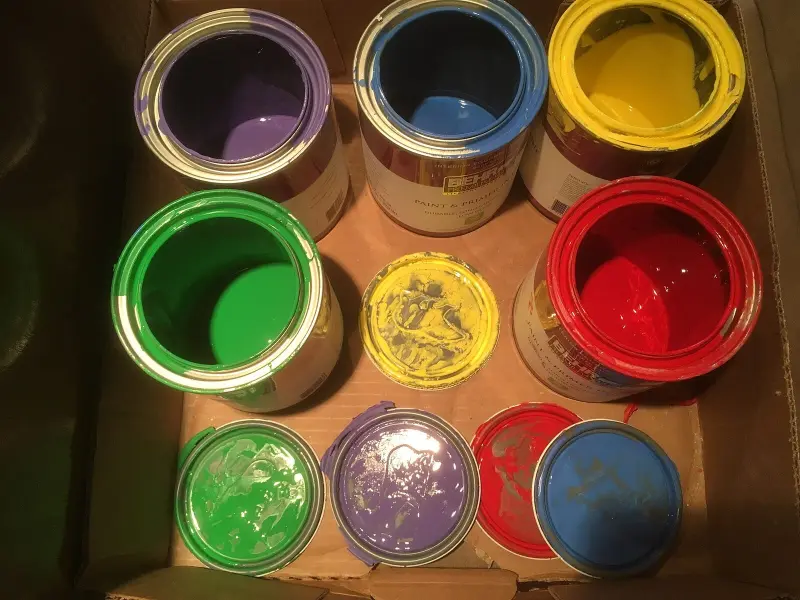
Buy sample sizes, usually about $5 to $10 each, in the sheen you're considering. Paint a piece of poster board about 2 feet square with two coats, or paint directly on the wall in a few spots. Look at it:
- In morning light, afternoon light and at night with lamps on
- From across the room and at a raking angle, standing next to the wall
- After it has dried for a full day, since sheen can change as paint cures
Common Mistakes
- Semi-gloss on large, imperfect walls. Every patch and roller lap will show. Fix the wall or drop down a sheen.
- Flat paint in a kitchen or bath. Unless it's specifically labeled scrubbable and moisture-resistant, it won't last.
- Touching up in the wrong sheen. Even with the right color, a different sheen leaves an obvious patch. Write the color code and sheen on the inside of a closet door or the lid of the leftover can.
- Assuming the name means the same thing across brands. Compare samples, not labels.
- Painting over glossy paint without prep. New paint won't stick well to old semi-gloss or gloss. Scuff it with 180- to 220-grit sandpaper, clean it, and use a bonding primer.
A Quick Safety Note
If your home was built before 1978, existing paint may contain lead. Don't sand or scrape it without testing first; inexpensive test kits are sold at hardware stores, and the EPA publishes lead-safe work practices. Whatever you're painting, keep windows open and take breaks to let the room air out.
A Simple Cheat Sheet
- Ceilings: flat
- Bedrooms and formal rooms: matte or eggshell
- Living areas: eggshell
- Hallways, kids' rooms, kitchens: satin
- Bathrooms: satin or semi-gloss
- Trim, doors, cabinets: semi-gloss or high-gloss
When you're unsure, eggshell on walls and semi-gloss on trim will look good in nearly any room. Once you've painted one room this way, notice how much easier it is to keep clean, then use that to guide your choices in the next.